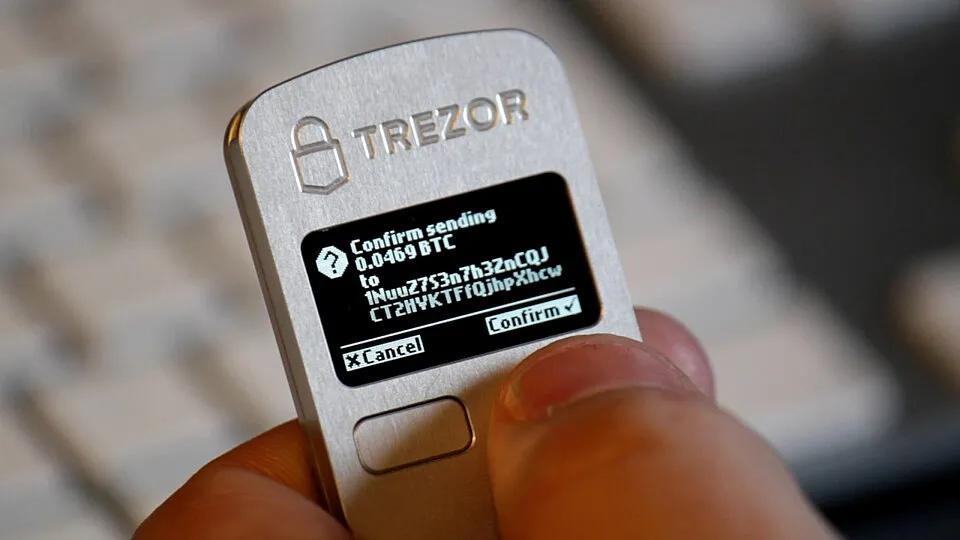
Before acting on hardware wallet security, write down what success means for your situation. That keeps the comparison focused on real costs and usable features rather than rankings, advertising claims, or a single attractive number.
How to frame hardware wallet security
A meaningful comparison should cover custody model, network fees, spreads, withdrawal rules, supported assets, and security controls. Check at least two or three realistic alternatives using the same assumptions so that a low headline price is not hiding a more expensive overall outcome.
Costs and criteria to compare
The main risks to review are address errors, irreversible transfers, volatile prices, phishing, and loss of private-key access. Their importance changes by provider and personal circumstances, so read the complete terms and do not rely on an old screenshot, cached quote, or promotional summary.
Risks and verification checks
For current verification, inspect official fee schedules, supported networks, jurisdiction limits, and the destination address. Keep a dated record of the quote or terms you relied on, especially when rates, limits, or availability can change after this page was published.
Questions worth asking before you choose
Before choosing, ask what happens when you need support, cancel, dispute a transaction, move your data or money, or use the service outside the most common scenario. Clear answers to these edge cases often distinguish a durable option from a short-term promotion.
Practical next steps
A practical next step is to shortlist the options that meet your non-negotiable criteria, calculate the complete cost, and test the smallest reversible action first. Recheck the decision whenever fees, rules, or your financial situation changes.
Current sources and perspectives
Use these source summaries as a starting point and verify fees, rates, and eligibility directly with each provider before making a financial decision.
Hardware Wallet Security: Risks and Safer Storage Practices
Explore hardware wallet security in 2026, including crypto theft statistics, software vulnerabilities, recovery phrase risks and safer cryptocurrency storage.
Top Hardware Wallet Security Threats and How to Prevent Them
Learn the biggest hardware wallet security threats, from seed theft and fake devices to malicious signatures, physical attacks and recovery failures.
Hardware Wallet Security: Vulnerabilities, Limitations, and Mitigation ...
How secure are hardware wallets? Explore their vulnerabilities, risk mitigation strategies, and future advancements to protect your crypto assets from evolving threats.
Hardware Wallet Security Checklist: 12 Steps [2026]
A 12-step hardware wallet security checklist for 2026, covering firmware verification, seed entropy, SLIP-39 backups, multisig, and air-gapped signing.
10 Security Tips for Using Hardware Wallets to Protect Assets
A hardware wallet securely stores crypto private keys offline, protecting assets from hackers and online threats. Learn how it works, its benefits, and 10 key safety practices.
Hardware Wallet Security: Complete Guide for 2026 | KryptoKraken
Learn how to secure cryptocurrency with hardware wallets. Setup guides for Ledger and Trezor, best practices for seed phrase storage, and advanced security tips.
Related Topics
- hardware wallet crypto
- hardware wallet ledger
- what is crypto wallet
- crypto wallet for windows
- crypto payment cba
What should I compare when researching hardware wallet security?
Compare custody model, network fees, spreads, withdrawal rules, supported assets, and security controls. Use the same assumptions for every option so the total cost and practical limitations remain visible.
What risks should I check before using hardware wallet security?
Review address errors, irreversible transfers, volatile prices, phishing, and loss of private-key access. The exact exposure depends on your provider, location, financial position, and how the product or service is used.
How can I verify information about hardware wallet security?
Confirm official fee schedules, supported networks, jurisdiction limits, and the destination address. Use current primary-source documents for the final decision because rates, availability, and terms can change.