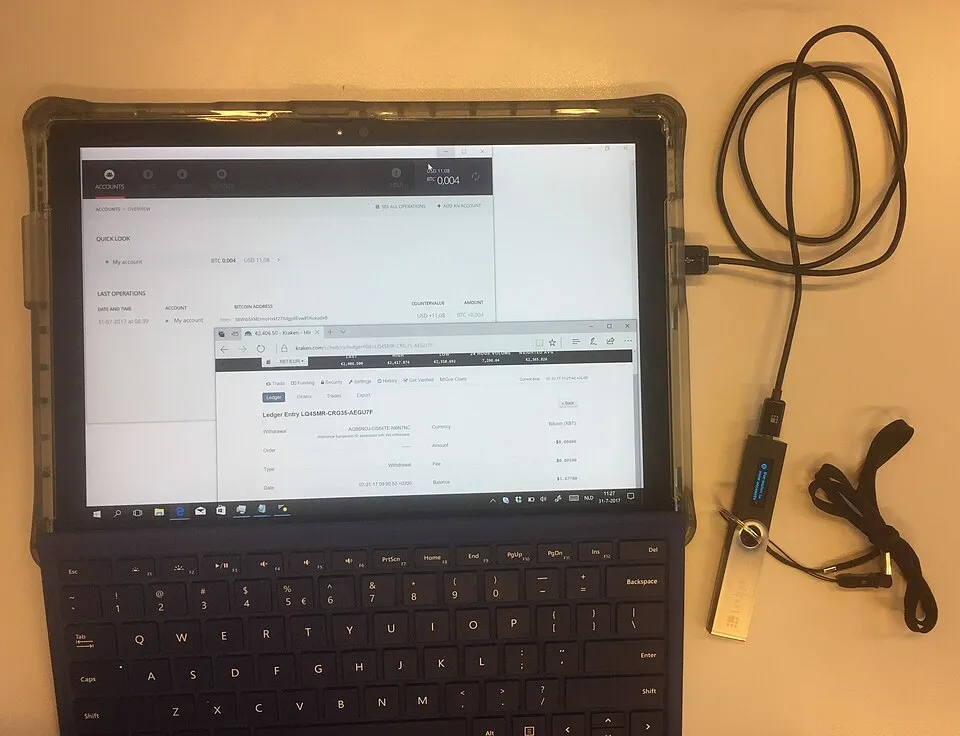
Before acting on hardware wallet companies, write down what success means for your situation. That keeps the comparison focused on real costs and usable features rather than rankings, advertising claims, or a single attractive number.
How to frame hardware wallet companies
A meaningful comparison should cover custody model, network fees, spreads, withdrawal rules, supported assets, and security controls. Check at least two or three realistic alternatives using the same assumptions so that a low headline price is not hiding a more expensive overall outcome.
Costs and criteria to compare
The main risks to review are address errors, irreversible transfers, volatile prices, phishing, and loss of private-key access. Their importance changes by provider and personal circumstances, so read the complete terms and do not rely on an old screenshot, cached quote, or promotional summary.
Risks and verification checks
Use the source summaries below to build a shortlist, then confirm official fee schedules, supported networks, jurisdiction limits, and the destination address. Independent pages are useful for discovery, while final decisions should rely on current provider documents.
Questions worth asking before you choose
Before choosing, ask what happens when you need support, cancel, dispute a transaction, move your data or money, or use the service outside the most common scenario. Clear answers to these edge cases often distinguish a durable option from a short-term promotion.
Practical next steps
A practical next step is to shortlist the options that meet your non-negotiable criteria, calculate the complete cost, and test the smallest reversible action first. Recheck the decision whenever fees, rules, or your financial situation changes.
Current sources and perspectives
Use these source summaries as a starting point and verify fees, rates, and eligibility directly with each provider before making a financial decision.
Your Best Buying Guide - There's One Clear Winner Now
Which Hardware Wallets are the Best? Our team of experts has selected the Best Hardware Wallets of 2025.
Best hardware wallets - Best Brands Side by Side
Discover top products, prices & reviews. Compare now and shop smarter. OneClearWinner.com - Stop browsing online stores for hours - we are doing it for you
Compare The Top 10 Crypto Hardware Wallets In 2026
Explore and compare the best hardware wallets to secure your crypto assets. Discover top features, user-friendly designs, and unbeatable security.
Best Hardware Wallets (2026): An Honest Comparison
An honest 2026 hardware wallet comparison: Ledger vs Trezor vs Tangem and air-gapped devices, on secure element, open-source firmware, coin support and price — plus how to buy one safely and set it up.
6 Best Hardware Wallets Reviewed (Updated 2026) - 99Bitcoins
Hardware wallets are the safest way of storing crypto. We review and compare top hardware wallets available on the market in 2026.
Best Crypto Hardware Wallets 2026: Top 10 Secure for Altcoins and Beginners
The best crypto hardware wallets are Ledger Nano X, ELLIPAL Titan, Ledger Flex, Trezor Safe 5, Keystone, and NGRAVE ZERO, due to offline storage.
Related Topics
- crypto wallet binance
- crypto wallet coinbase
- bitcoin wallet binance
- ethereum wallet address lookup
- crypto wallet for pc
What should I compare when researching hardware wallet companies?
Compare custody model, network fees, spreads, withdrawal rules, supported assets, and security controls. Use the same assumptions for every option so the total cost and practical limitations remain visible.
What risks should I check before using hardware wallet companies?
Review address errors, irreversible transfers, volatile prices, phishing, and loss of private-key access. The exact exposure depends on your provider, location, financial position, and how the product or service is used.
How can I verify information about hardware wallet companies?
Confirm official fee schedules, supported networks, jurisdiction limits, and the destination address. Use current primary-source documents for the final decision because rates, availability, and terms can change.