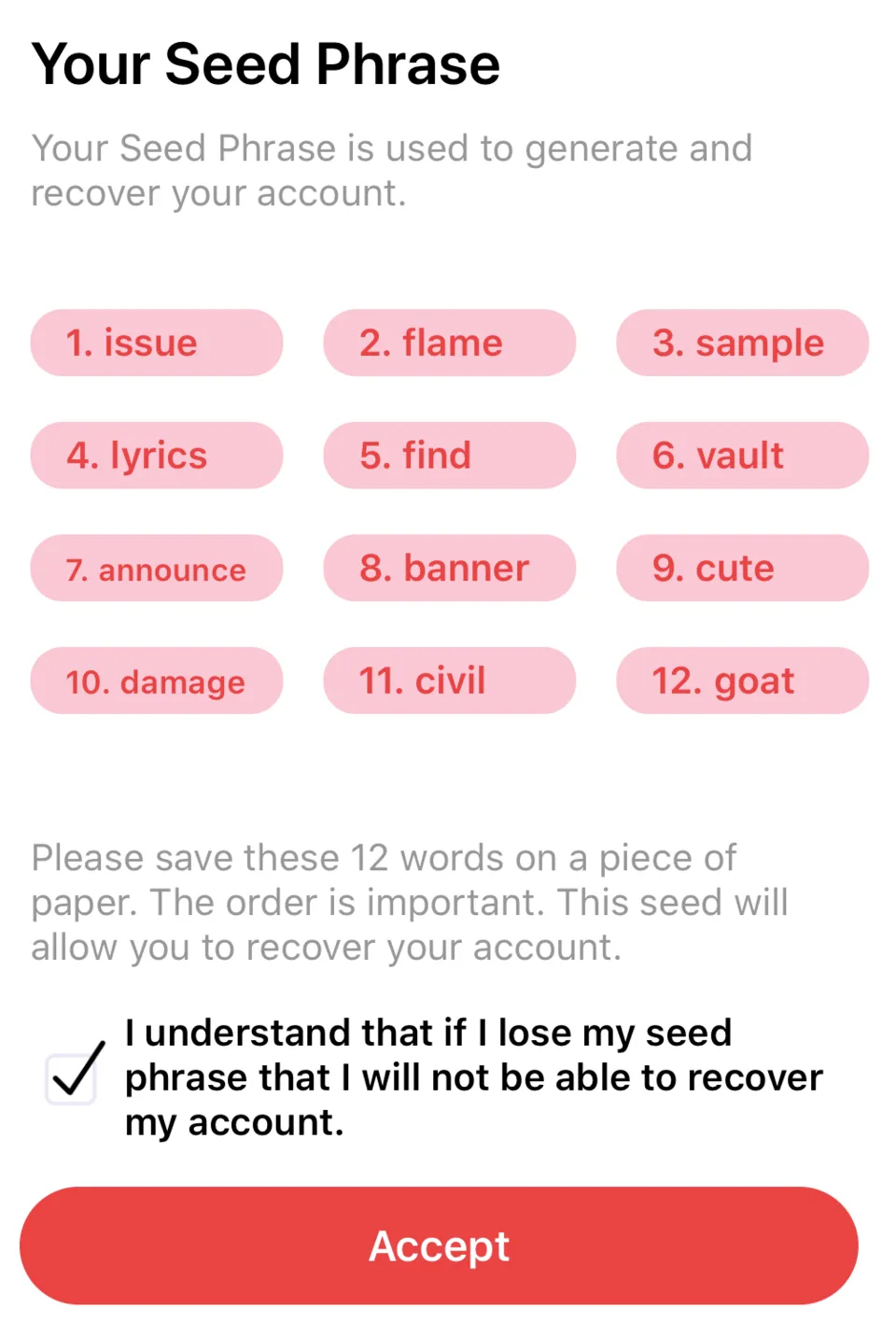
Researching crypto wallet app starts with defining the exact outcome you need and the constraints you cannot ignore. As a crypto transaction, it should be evaluated in the context of wallet users, traders, and long-term holders, not as a one-size-fits-all recommendation.
How to frame crypto wallet app
A meaningful comparison should cover custody model, network fees, spreads, withdrawal rules, supported assets, and security controls. Check at least two or three realistic alternatives using the same assumptions so that a low headline price is not hiding a more expensive overall outcome.
Costs and criteria to compare
The main risks to review are address errors, irreversible transfers, volatile prices, phishing, and loss of private-key access. Their importance changes by provider and personal circumstances, so read the complete terms and do not rely on an old screenshot, cached quote, or promotional summary.
Risks and verification checks
For current verification, inspect official fee schedules, supported networks, jurisdiction limits, and the destination address. Keep a dated record of the quote or terms you relied on, especially when rates, limits, or availability can change after this page was published.
Questions worth asking before you choose
Before choosing, ask what happens when you need support, cancel, dispute a transaction, move your data or money, or use the service outside the most common scenario. Clear answers to these edge cases often distinguish a durable option from a short-term promotion.
Practical next steps
A practical next step is to shortlist the options that meet your non-negotiable criteria, calculate the complete cost, and test the smallest reversible action first. Recheck the decision whenever fees, rules, or your financial situation changes.
Current sources and perspectives
Use these source summaries as a starting point and verify fees, rates, and eligibility directly with each provider before making a financial decision.
Top Crypto Wallet App - Most Trusted Crypto Exchange
Millions Of People Use Coinbase to Buy, Sell and Store Their Cryptocurrency. Buy And Sell Popular Digital Currencies, Keep Track Of Them In The One Place.
12 Best Crypto Wallets of 2026 - Forbes Advisor
Lists 12 top self-custodial crypto wallets with features, fees and ratings.
8 BEST Crypto Wallet App (2026) - Guru99
Binance is the top pick with 500+ coins and free use. Uphold offers BTC, ETH, XRP and more.
MetaMask Crypto Wallet. Buy and Sell Bitcoin, Ethereum, Solana
Buy, sell, swap, earn, and spend BTC, ETH, SOL and more — all in one self-custody crypto wallet. Total control over your assets, trusted by millions of users.
Crypto.com App: Download the Best BTC, ETH, CRO App - Crypto.com ...
What's different between the Crypto.com App and DeFi Wallet? If you're looking to buy, manage, and grow your crypto, the Crypto.com App is a good place to start. It's a digital currency brokerage that acts as a custodian, and stores your cryptocurrencies for you.
Best Crypto Wallet for Web3, NFTs and DeFi | Trust Wallet
Trust Wallet is a self-custody crypto wallet used by millions of people worldwide, available as a mobile app for iOS and Android and as a browser extension. You hold your own private keys and can store, send, receive, swap and stake crypto across 100+ blockchains from one app.
Related Topics
- what is crypto wallet
- lowest transaction fee crypto
- crypto exchange apps
- bitcoin wallet check balance online
- crypto exchange dubai near me
What should I compare when researching crypto wallet app?
Compare custody model, network fees, spreads, withdrawal rules, supported assets, and security controls. Use the same assumptions for every option so the total cost and practical limitations remain visible.
What risks should I check before using crypto wallet app?
Review address errors, irreversible transfers, volatile prices, phishing, and loss of private-key access. The exact exposure depends on your provider, location, financial position, and how the product or service is used.
How can I verify information about crypto wallet app?
Confirm official fee schedules, supported networks, jurisdiction limits, and the destination address. Use current primary-source documents for the final decision because rates, availability, and terms can change.