Researching bitcoin transfer methods starts with defining the exact outcome you need and the constraints you cannot ignore. As a crypto transaction, it should be evaluated in the context of wallet users, traders, and long-term holders, not as a one-size-fits-all recommendation.
How to frame bitcoin transfer methods
A meaningful comparison should cover custody model, network fees, spreads, withdrawal rules, supported assets, and security controls. Check at least two or three realistic alternatives using the same assumptions so that a low headline price is not hiding a more expensive overall outcome.
Costs and criteria to compare
The main risks to review are address errors, irreversible transfers, volatile prices, phishing, and loss of private-key access. Their importance changes by provider and personal circumstances, so read the complete terms and do not rely on an old screenshot, cached quote, or promotional summary.
Risks and verification checks
Use the source summaries below to build a shortlist, then confirm official fee schedules, supported networks, jurisdiction limits, and the destination address. Independent pages are useful for discovery, while final decisions should rely on current provider documents.
Questions worth asking before you choose
Before choosing, ask what happens when you need support, cancel, dispute a transaction, move your data or money, or use the service outside the most common scenario. Clear answers to these edge cases often distinguish a durable option from a short-term promotion.
Practical next steps
A practical next step is to shortlist the options that meet your non-negotiable criteria, calculate the complete cost, and test the smallest reversible action first. Recheck the decision whenever fees, rules, or your financial situation changes.
Current sources and perspectives
Use these source summaries as a starting point and verify fees, rates, and eligibility directly with each provider before making a financial decision.
How to Transfer Bitcoin: Send BTC to Anyone in 2026
Learn how to transfer Bitcoin to anyone: send BTC to a wallet, convert to cash, pay merchants, or use the Lightning Network.
How to Transfer Bitcoin? A Complete Guide to Send & Receive BTC
An article explaining how to transfer Bitcoin with a step-by-step guide. Send Bitcoin from Web3 to another wallet and send Bitcoin from personal wallet to exchange.
How to send and receive Bitcoin (BTC) - Crypto.com US
How to send BTC The process usually involves these few steps: You choose a person whom you want to send BTC to (or a destination address), decide how much to send, review the fee required by the network and approve the transfer. Once confirmed, the transaction is broadcast to
How to Send Bitcoin: Steps, Fees, Timing & Safety Tips
Learn how to send Bitcoin to any wallet. See the steps, how to set network fees, how long it takes, and how to avoid costly sending mistakes.
How to Send Bitcoin: Wallet-to-Wallet Transfer Guide
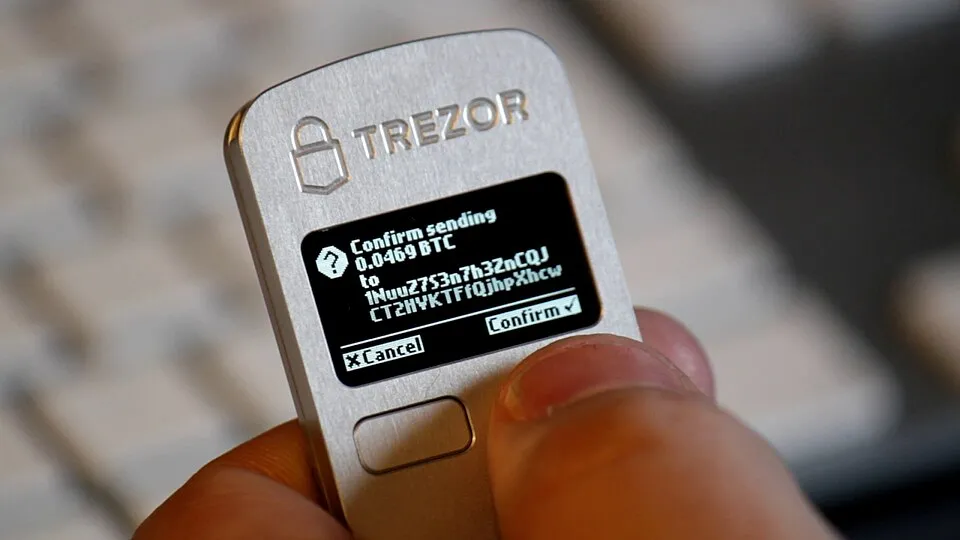
Keeping your bitcoin on a hardware wallet like Trezor adds meaningful protection, especially for larger holdings. If you're still deciding where to store your funds, this guide on how to choose the best Bitcoin wallet is a solid place to start. Frequently Asked Questions Can a
12 Ways to Send Bitcoins - wikiHow
The Bitcoin you buy will remain in your exchange account until you transfer it to a wallet that you control. You might be able to send it directly to someone else through your exchange account, but using your own wallet is more secure. Do a little research before you settle on
Related Topics
- bitcoin wallet app
- crypto debit card
- ethereum wallet address with balance
- how to sell crypto dust
- best bitcoin to buy now
What should I compare when researching bitcoin transfer methods?
Compare custody model, network fees, spreads, withdrawal rules, supported assets, and security controls. Use the same assumptions for every option so the total cost and practical limitations remain visible.
What risks should I check before using bitcoin transfer methods?
Review address errors, irreversible transfers, volatile prices, phishing, and loss of private-key access. The exact exposure depends on your provider, location, financial position, and how the product or service is used.
How can I verify information about bitcoin transfer methods?
Confirm official fee schedules, supported networks, jurisdiction limits, and the destination address. Use current primary-source documents for the final decision because rates, availability, and terms can change.