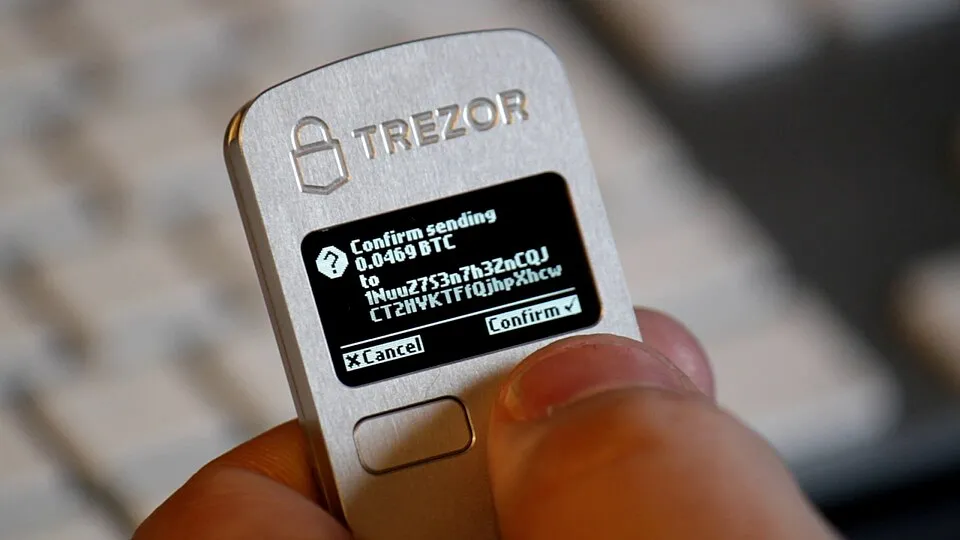
A useful review of bitcoin transfer cost separates the headline promise from the operational details. The right starting point is your goal, available budget, location, time horizon, and tolerance for the risks that come with this crypto transaction.
How to frame bitcoin transfer cost
A meaningful comparison should cover custody model, network fees, spreads, withdrawal rules, supported assets, and security controls. Check at least two or three realistic alternatives using the same assumptions so that a low headline price is not hiding a more expensive overall outcome.
Costs and criteria to compare
The main risks to review are address errors, irreversible transfers, volatile prices, phishing, and loss of private-key access. Their importance changes by provider and personal circumstances, so read the complete terms and do not rely on an old screenshot, cached quote, or promotional summary.
Risks and verification checks
For current verification, inspect official fee schedules, supported networks, jurisdiction limits, and the destination address. Keep a dated record of the quote or terms you relied on, especially when rates, limits, or availability can change after this page was published.
Questions worth asking before you choose
Before choosing, ask what happens when you need support, cancel, dispute a transaction, move your data or money, or use the service outside the most common scenario. Clear answers to these edge cases often distinguish a durable option from a short-term promotion.
Practical next steps
A practical next step is to shortlist the options that meet your non-negotiable criteria, calculate the complete cost, and test the smallest reversible action first. Recheck the decision whenever fees, rules, or your financial situation changes.
Current sources and perspectives
Use these source summaries as a starting point and verify fees, rates, and eligibility directly with each provider before making a financial decision.
Bitcoin Transaction Fees Today - Live Fee Rates | Bitcoin.org
See current Bitcoin transaction fee rates, understand how fees work, why they change, and how to choose the right fee for your transaction.
Bitcoin Fee Calculator - Estimate Transaction Costs | BTCBench
Calculate Bitcoin transaction fees in real time. Estimate costs by address type, compare wallet fee estimates, check batching savings, and get timing recommendations using live BTCBench fee data.
The Complete Guide to Bitcoin Fees & Transactions in 2026
This guide will explain how to calculate the correct fee for your Bitcoin transaction and what to do in case your transaction gets stuck.
Cost to Send Bitcoin to Wallet or Transfer Crypto to Exchange | CoinCodex
The Cost to Send Bitcoin to Another Wallet Like Ledger or Transfer Crypto to an Exchange Like Binance Discover why Bitcoin transaction fees exist, how they fluctuate based on network activity, and what drives spikes during bull markets.
Bitcoin Transaction Fee Calculator
What does a Bitcoin transaction cost? Live fees in sats and USD for economy, standard and priority confirmation. Real mempool data, updated every block.
Bitcoin Fee Calculator - Estimate BTC Fees Now (Easy)
Free Bitcoin Fee Estimator & Calculator - Choose the best transaction fee based on confirmation time. Track mempool size and live network load.
Related Topics
- bitcoin transfer to bank account
- bitcoin wallet cold storage
- bitcoin wallet app
- usdt bank transfer
- bitcoin transfer delay
What should I compare when researching bitcoin transfer cost?
Compare custody model, network fees, spreads, withdrawal rules, supported assets, and security controls. Use the same assumptions for every option so the total cost and practical limitations remain visible.
What risks should I check before using bitcoin transfer cost?
Review address errors, irreversible transfers, volatile prices, phishing, and loss of private-key access. The exact exposure depends on your provider, location, financial position, and how the product or service is used.
How can I verify information about bitcoin transfer cost?
Confirm official fee schedules, supported networks, jurisdiction limits, and the destination address. Use current primary-source documents for the final decision because rates, availability, and terms can change.